

Advanced Metal Hydroxide based Polygeneration System to produce power, heating, cooling, hydrogen and flexible energy storage |
|||
|
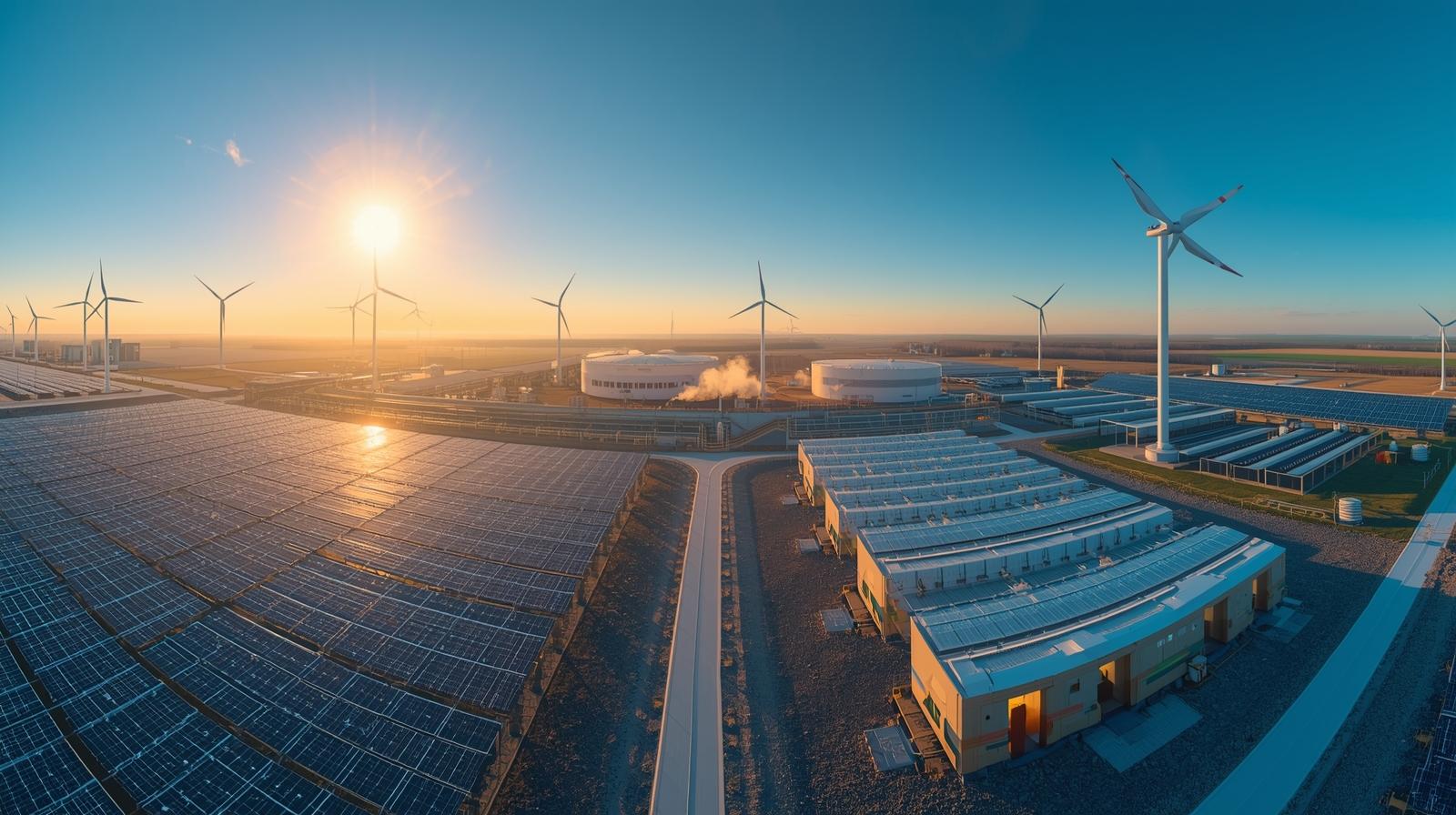
The absortion of renewable energy sources, supported by the emerging use of hydrogen as an energy vector, forms the backbone of the European Commission’s and national energy strategies to combat climate change. Hydrgen storage in Metal Hydrides offers high volumetric energy densities and enhanced safety. Aditionally, Metal Hydrides can be configured to function as solid-state heat pumps for heating and/or cooling, or even as thermal compressors. This project proposal focuses on the development of advanced highly energy integrade polygeneration solution based on Metal Hydrides to deliver power, heating, cooling, and flexible energy storage. While the use of Metal Hydrides for heating and cooling isn’t new, this project pioneers the integration of this application with hydrogen storeg into a single, unified systemfrom hydrogen generation to its final delivery. Integration Metal Hydrides into the hydrogen value chain presents significant opportunities to energy optimazation. For intance, heat dissipated by electrolyzers and fuel cells can be harnessed for hydrogen desorption, cooling generated during low-pressure desorption can reduce energy consumption in intercooled hydrogen compressors, and heat released during medium-temperature hydrogen absorption can be used to provide heating for small industries, among other applications. The proposed polygeneration system will also serve as a polystorage system, allowing excess energy to be stored no only as hydrogenready to be converted back into electricity or used for other purposes but also as chilled or hot water, or in electric batteries for rapid short-term dispatch. Moreover, the hydrogen stored in the Metal Hydride systems at relatively high pressure and released using renewable and/or waste heat can be used to reduce the demand of mechanical power for the final compression and delivery of hydrogen in refuelling stations. All subsystems will be interconnected within the polygeneration system to enhance energy effieciency and reduce operational costs. The project begins with the identification and selection of suitable Metal Hydrides as candidates for the polygeneration systems. The technical performance of various configurations will be evaluated through the development of mathematical models that incorporate the thermophysical properties of the selected Metal Hydrides. Some properties essential for accurate modeling and transient behavior analysis will need to be determined experimentally in the laboratory using the thermophysical property testing facilities of our research group. Alongside individual material testing, commercialized models will also be evaluated to determine their suitability for the proposed system configurations. Once the characteristics of all components have been determined, the overall system performance will be tested at laboratory scale to refine operation strategies and control requirements. Experimental work will be conducted using the group’s pilot plant facilities, and the resulting data will be used in a simulation tool for evaluation the polygeneration system’s performance at commercial scale. Finally, the simulation tool will be applied to assess system electrolyzers and biomass gasification, as well as its final use in small industrial facillities or hydrogen refueling stations. |
|||
 |
 |
 |
KNOWLEDGE GENERATION PROJECTS 2024 MINISTERIO DE CIENCIA, INNOVACION Y UNIVERSIDADES Main researchers: joan Carles Bruno Argilaguet and Daniel Salavera Muñoz |